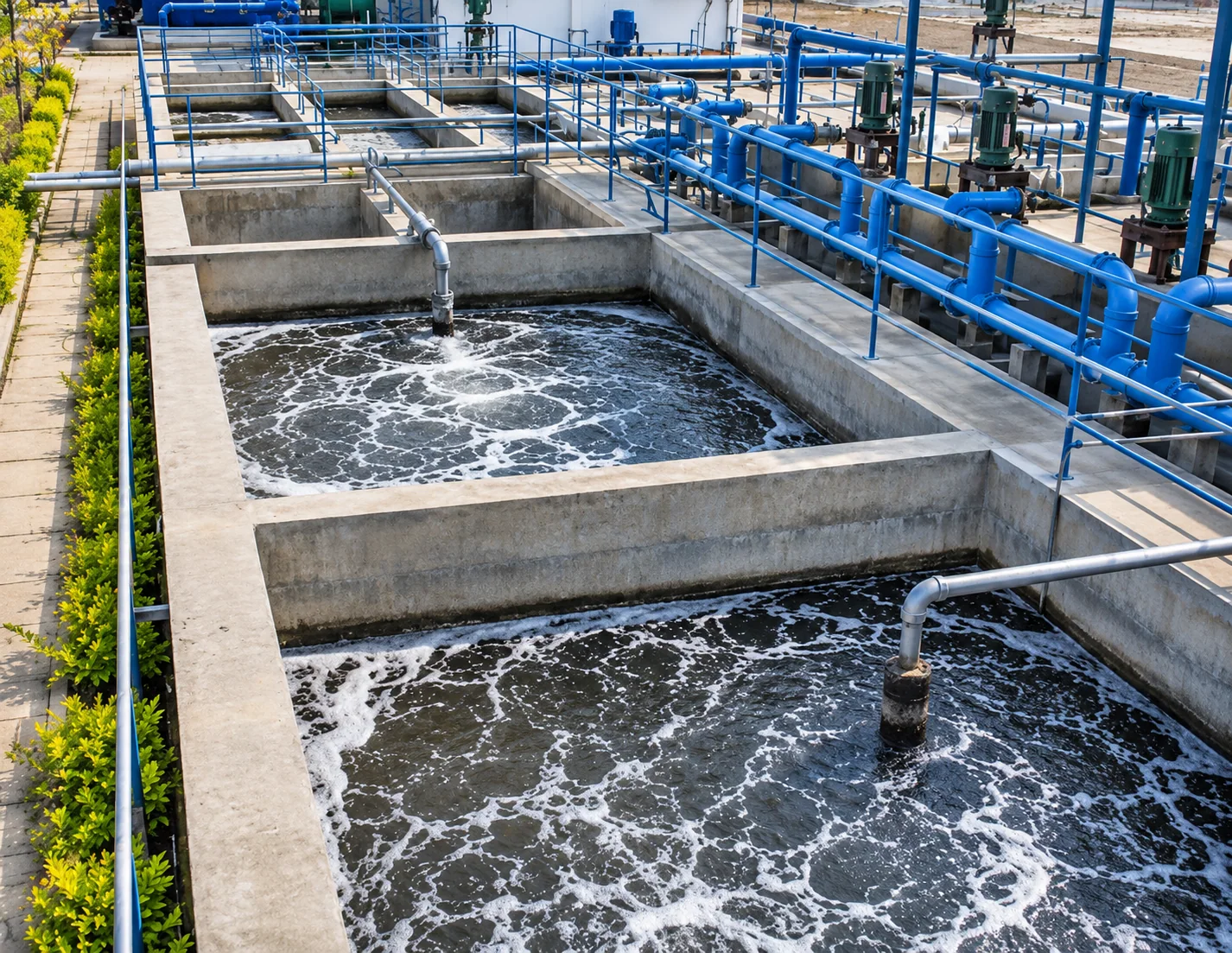
Industrial wastewater is rarely the same from one manufacturing facility to another. A galvanizing plant may generate wastewater containing heavy metals, acids and alkaline residues, while a dairy processing facility produces effluent with extremely high organic loads, fats, oils and suspended solids. A textile dyeing factory may discharge intensely coloured wastewater containing complex dyes, salts and chemical auxiliaries, whereas an ink manufacturing facility can generate wastewater with high COD, pigments, solvents and difficult-to-degrade organic compounds.
Despite these differences, many industrial wastewater treatment systems are still approached using standardised treatment configurations. This often leads to inefficient treatment, excessive chemical consumption, operational difficulties, inconsistent treated water quality and, ultimately, non-compliance with applicable discharge requirements.
At Technochem, we approach industrial effluent treatment differently.
We believe that an effective Effluent Treatment Plant (ETP) must be engineered around the actual nature of the wastewater it is designed to treat. Instead of beginning with a predetermined plant configuration, we begin by understanding the wastewater itself: its composition, contaminants, treatment challenges, variations in flow and the quality of treated water required.
From heavy metal removal in electroplating industries to biological treatment of dairy wastewater and advanced physicochemical treatment of highly coloured textile effluent, Technochem develops customised industrial wastewater treatment solutions based on the specific challenges of each industry.
Our approach combines wastewater characterisation, treatment feasibility assessment, process engineering, equipment selection, plant fabrication, installation and commissioning to deliver integrated ETP solutions.
The objective is straightforward: identify the problem first, engineer the right treatment process, and build a wastewater treatment plant around the actual requirements of the industry.
1. Why Does Every Industry Require a Different Effluent Treatment Plant?
The effectiveness of an industrial wastewater treatment plant depends primarily on the characteristics of the wastewater entering the system.
Two manufacturing facilities may generate the same quantity of wastewater but require completely different treatment technologies.
For example:
- A galvanizing factory may generate 20 KLD of wastewater containing zinc, iron, chromium and acidic residues.
- A dairy factory may generate 20 KLD of wastewater containing milk solids, fats, proteins, lactose and detergents.
- A textile dyeing factory may generate 20 KLD of wastewater containing synthetic dyes, salts, surfactants and high concentrations of COD.
- An ink manufacturing facility may generate 20 KLD of wastewater containing pigments, resins, binders, solvents and suspended particles.
Although their hydraulic capacities are identical, their chemical and biological characteristics are fundamentally different.
An ETP designed primarily for organic wastewater may not effectively remove dissolved heavy metals. Similarly, a treatment plant designed for metal precipitation may not adequately reduce the BOD and COD of dairy wastewater.
This is why industrial effluent treatment cannot follow a universal design.
The treatment process must be selected after understanding parameters such as:
- pH and alkalinity
- Biochemical Oxygen Demand (BOD)
- Chemical Oxygen Demand (COD)
- Total Suspended Solids (TSS)
- Total Dissolved Solids (TDS)
- Oil and Grease
- Electrical Conductivity
- Colour and turbidity
- Heavy metal concentrations
- Toxic and inhibitory substances
- Biodegradability of organic pollutants
- Daily wastewater generation and flow variations
Each parameter provides information about the wastewater and helps determine the appropriate treatment methodology.
Technochem considers these characteristics before finalising the process configuration, ensuring that the proposed ETP addresses the actual contaminants rather than simply treating the wastewater as a generic industrial discharge.
2. Understanding Industrial Wastewater: Different Industries, Different Treatment Challenges
To understand why customised wastewater treatment is essential, it is important to examine the characteristics of wastewater generated by different manufacturing processes.
2.1 Heavy Metal Contaminated Wastewater from Galvanizing and Electroplating Industries
Galvanizing and electroplating industries generate wastewater through metal surface preparation, pickling, degreasing, electroplating baths, rinsing and cleaning operations.
Depending on the manufacturing process, the wastewater may contain:
- Zinc
- Chromium, including hexavalent chromium
- Nickel
- Copper
- Iron
- Lead
- Cadmium
- Acids and alkalis
- Cyanide compounds in certain plating processes
- Suspended metal particles
- Dissolved salts
One of the major challenges associated with this wastewater is the presence of dissolved heavy metals.
Unlike ordinary suspended solids, dissolved metals cannot simply be removed through conventional filtration or sedimentation. They generally require chemical conversion into forms that can be separated from the water.
What makes galvanizing and electroplating wastewater difficult to treat?
The treatment process depends on several factors:
- The type and concentration of metals present.
- The oxidation state of specific metals, particularly chromium.
- The initial pH of the wastewater.
- The presence of complexing agents.
- The concentration of dissolved salts.
- The quantity of suspended and precipitated solids.
For example, hexavalent chromium requires a reduction process before conventional chromium hydroxide precipitation can be carried out. Cyanide-containing streams, where present, require dedicated treatment under appropriately controlled conditions.
How Technochem approaches heavy metal wastewater treatment
Technochem first identifies the metal contaminants and their concentrations through wastewater analysis.
Based on the results, the treatment process may incorporate:
Step 1: Segregation and Collection
Different wastewater streams are identified and segregated wherever necessary. Highly concentrated chemical streams may require separate treatment rather than direct mixing with general rinse water.
Step 2: pH Correction
The wastewater is brought to an appropriate pH range using suitable chemicals. This creates favourable conditions for subsequent treatment reactions.
Step 3: Chemical Reduction or Oxidation
Where specific contaminants require a change in oxidation state, a suitable chemical reaction is incorporated. For example, hexavalent chromium reduction may be necessary before precipitation.
Step 4: Heavy Metal Precipitation
Suitable precipitating chemicals are added to convert dissolved metals into relatively insoluble compounds, commonly metal hydroxides.
Step 5: Coagulation and Flocculation
Coagulants and flocculants help destabilise fine particles and form larger flocs that can settle more effectively.
Step 6: Clarification and Solid-Liquid Separation
The precipitated metal sludge is separated through a settling system or clarifier.
Step 7: Filtration and Polishing
Pressure Sand Filters, Activated Carbon Filters or other suitable polishing systems may be incorporated depending on the final water quality requirements.
The separated sludge is collected for appropriate dewatering and disposal through authorised channels, as applicable.
The result is a treatment configuration specifically developed for the heavy metal contaminants identified in the wastewater.
2.2 Dairy Processing Wastewater from Milk Factories
Dairy industries generate wastewater from milk reception, processing, pasteurisation, equipment cleaning, bottle washing, floor washing and Cleaning-in-Place (CIP) operations.
Although dairy wastewater does not generally have the same heavy metal contamination challenges as electroplating wastewater, it can have a very high organic pollution load.
Typical contaminants include:
- Milk proteins
- Lactose
- Fats and oils
- Suspended milk solids
- Whey residues
- Detergents and cleaning chemicals
- Acids and alkaline cleaning solutions
- High BOD and COD
Why is dairy wastewater difficult to treat?
The principal challenge is its high biodegradable organic content.
Milk residues, lactose, proteins and fats contribute significantly to the BOD and COD of the wastewater.
Furthermore, the characteristics of dairy wastewater can change considerably depending on production schedules, cleaning cycles and accidental product losses.
For example, wastewater generated during ordinary floor washing may have very different characteristics from wastewater containing concentrated milk or whey residues.
Fats and oils can also create operational problems by interfering with biological treatment, coating equipment and affecting oxygen transfer.
How Technochem approaches dairy wastewater treatment
Technochem evaluates the organic loading, suspended solids, oil and grease content, pH and biodegradability before selecting the treatment process.
A typical dairy ETP may incorporate:
Step 1: Screening
Coarse and fine screening removes larger suspended materials and unwanted solids.
Step 2: Oil and Grease Separation
An oil and grease separation system may be incorporated to remove floating fats and other separable materials.
Step 3: Equalisation
An equalisation tank collects wastewater from different production and cleaning activities. It helps minimise fluctuations in flow, pH and organic loading.
Step 4: pH Correction
The pH is adjusted to maintain suitable conditions for subsequent treatment, particularly biological processes where required.
Step 5: Biological Treatment
Depending on the wastewater characteristics and organic loading, biological treatment may involve:
- Moving Bed Biofilm Reactor (MBBR)
- Sequencing Batch Reactor (SBR)
- Activated Sludge Process (ASP)
- Anaerobic treatment for suitable high-strength wastewater
- Other suitable biological configurations
Microorganisms utilise biodegradable organic matter and reduce the organic pollution load.
Step 6: Secondary Clarification
Biological solids are separated from the treated wastewater through clarification or an appropriate integrated separation arrangement.
Step 7: Tertiary Treatment
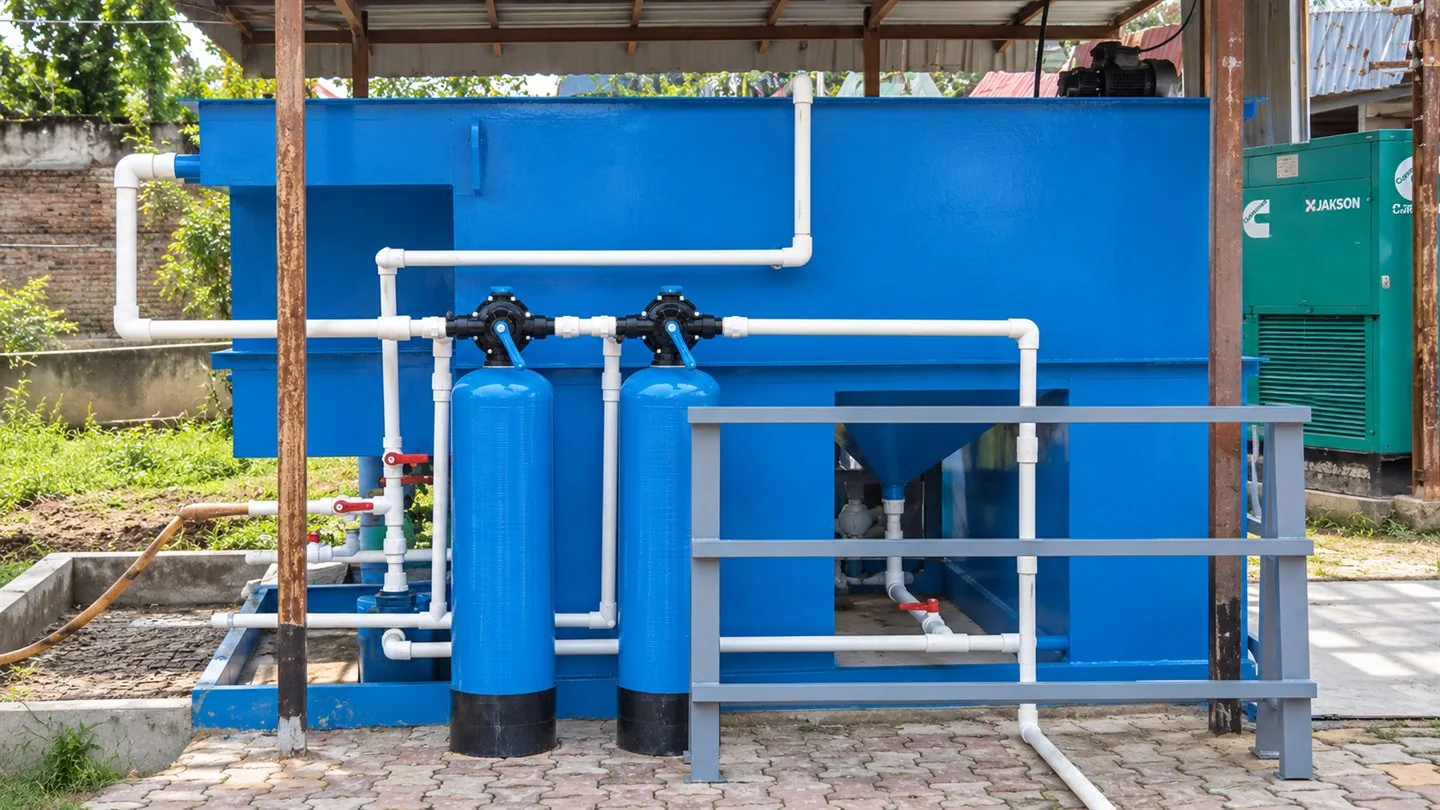
Pressure Sand Filtration, Activated Carbon Filtration and disinfection may be incorporated depending on the intended discharge or reuse requirements.
For dairy wastewater, selecting the correct biological process is particularly important because the organic loading, hydraulic variations and cleaning chemicals can significantly influence biological performance.
Technochem considers these factors while developing the treatment configuration.
2.3 Highly Coloured Wastewater from Textile Dyeing Industries
Textile dyeing and processing industries generate some of the most challenging forms of industrial wastewater.
Water is extensively used in dyeing, washing, rinsing, bleaching and finishing operations.
Depending on the type of textile and dyes used, the wastewater may contain:
- Reactive dyes
- Direct dyes
- Acid dyes
- Disperse dyes
- Vat dyes
- Synthetic colourants
- Sodium chloride and sodium sulphate
- Surfactants
- Wetting agents
- Sizing and finishing chemicals
- Suspended fibres
- High COD and variable BOD
- Significant colour intensity
Why is textile dyeing wastewater difficult to treat?
The biggest challenge is often colour removal.
Many synthetic dyes are specifically manufactured to resist degradation, fading and changes in environmental conditions. Consequently, they may not be effectively removed through conventional biological treatment alone.
Another challenge is the presence of dissolved salts, which can increase TDS and conductivity.
High COD, varying pH, intermittent production and different dye formulations further complicate the treatment process.
A treatment plant that performs effectively for one dye formulation may not necessarily achieve the same results when the production process changes.
How Technochem approaches textile dyeing wastewater
Technochem first investigates the nature of the dyes, colour intensity, COD, BOD, TSS, TDS, pH and chemical composition of the wastewater.
The treatment process is then developed around the identified contaminants.
A typical physicochemical treatment configuration may include:
Step 1: Collection and Equalisation
Wastewater from different dyeing and washing operations is collected and homogenised to reduce fluctuations in wastewater characteristics.
Step 2: pH Correction
The pH is adjusted to create favourable conditions for the selected chemical treatment process.
Step 3: Coagulation
Suitable coagulants are added to destabilise dissolved and colloidal colour-bearing substances.
Step 4: Flocculation
A suitable polymer or flocculating agent helps combine destabilised particles into larger flocs.
Step 5: Primary Clarification
The formed flocs are separated through sedimentation.
Step 6: Advanced Oxidation, Where Required
For difficult-to-degrade organic compounds and residual colour, additional oxidation may be necessary.
Depending on wastewater characteristics, possible technologies include:
- Fenton oxidation
- Ozonation
- Hydrogen peroxide-based oxidation
- Other suitable advanced oxidation processes
These processes can break down complex organic compounds and improve the treatability of wastewater.
Step 7: Secondary Settling and Filtration
Additional clarification and filtration may be incorporated to remove residual suspended particles and improve the treated water quality.
Step 8: Tertiary Treatment
Activated Carbon Filtration, membrane treatment or other polishing technologies may be considered depending on the intended application.
Importantly, not every dyeing factory requires the same treatment sequence. The selection of oxidation, coagulation and biological processes depends on actual treatability results.
Technochem aims to identify the most practical combination of treatment technologies instead of unnecessarily complicating the plant.
2.4 Wastewater from Ink Manufacturing and Printing Industries
Ink manufacturing and printing industries generate wastewater containing a complex combination of organic and inorganic contaminants.
Depending on the type of ink and manufacturing process, wastewater may contain:
- Organic and inorganic pigments
- Dyes and colourants
- Resins and binders
- Dispersing agents
- Surfactants
- Solvents
- Additives
- Suspended solids
- High COD
- Residual cleaning chemicals
Why is ink manufacturing wastewater challenging?
Unlike conventional domestic wastewater, ink wastewater can contain chemically stable pigments, polymeric binders and complex organic compounds.
Some pigments are present as extremely fine particles that remain suspended for extended periods.
Resins and binders can also affect the effectiveness of conventional coagulation and sedimentation.
Furthermore, certain organic compounds may be resistant to biological degradation.
How Technochem approaches ink wastewater treatment
The first requirement is to identify whether the colour is primarily associated with suspended pigments, dissolved dyes or a combination of both.
This distinction is important because the removal mechanism may be completely different.
The treatment configuration may include:
- Screening and collection.
- Equalisation and pH correction.
- Chemical coagulation.
- Polymer-assisted flocculation.
- Sedimentation or clarification.
- Advanced oxidation for suitable residual organic contaminants.
- Pressure filtration and activated carbon polishing, where required.
For particularly difficult wastewater, Technochem evaluates alternative chemical combinations and oxidation methods through treatability studies.
The objective is to identify a technically effective process while controlling chemical consumption, sludge generation and operational complexity.
2.5 Wastewater from Pharmaceutical and Chemical Manufacturing Industries
Pharmaceutical and chemical manufacturing facilities can generate wastewater containing a wide range of organic and inorganic contaminants.
These may include:
- Active pharmaceutical ingredients
- Solvents
- Chemical intermediates
- Acids and alkalis
- Organic compounds
- Suspended solids
- High COD
- Potentially toxic or inhibitory substances
The major challenge is that some compounds can inhibit biological microorganisms or resist conventional biological degradation.
A high COD concentration does not automatically indicate that the wastewater is readily biodegradable.
Technochem's treatment approach
Technochem evaluates the wastewater composition, COD, BOD, biodegradability and the presence of inhibitory substances.
Depending on the results, the treatment process may involve:
- Stream segregation
- Equalisation
- pH correction
- Chemical coagulation and flocculation
- Advanced oxidation
- Biological treatment where suitable
- Secondary clarification
- Tertiary filtration
- Activated carbon adsorption
- Membrane-based polishing where required
For complex chemical wastewater, pretreatment is particularly important because reducing toxicity or breaking down refractory organic compounds can improve the performance of downstream biological processes.
2.6 Wastewater from Engineering, Automobile and Metal Processing Industries
Engineering and automobile manufacturing facilities generate wastewater through degreasing, machining, component washing, phosphating, surface treatment and equipment cleaning.
Common contaminants include:
- Oil and grease
- Metal particles
- Suspended solids
- Emulsified oils
- Phosphates
- Detergents
- Heavy metals
- Alkaline and acidic residues
The treatment challenge depends on whether the oil is present as free oil, dispersed oil or a stable emulsion.
Free oil can often be separated through physical separation systems, whereas emulsified oil may require chemical destabilisation and coagulation.
Technochem evaluates these characteristics before deciding on the appropriate combination of oil separation, chemical treatment, clarification and filtration.
2.7 Wastewater from Food Processing and Beverage Industries
Food processing facilities generate wastewater containing biodegradable organic matter, suspended solids, fats, oils, proteins and cleaning chemicals.
Depending on the manufacturing process, the wastewater may have:
- High BOD
- High COD
- Elevated TSS
- Oil and grease
- Variable pH
- Food particles
- Organic residues
Typical treatment configurations may incorporate screening, equalisation, oil and grease separation, biological treatment and tertiary filtration.
The exact process depends on the type of food being processed and the organic loading of the wastewater.
3. The Most Important Step: How Technochem Characterises Industrial Wastewater
An effective Effluent Treatment Plant begins long before equipment selection or fabrication.
It begins with wastewater characterisation.
At Technochem, the first objective is to understand exactly what needs to be removed, how difficult it will be to remove it and which treatment technologies are technically suitable.
This stage helps prevent a common engineering mistake: selecting equipment and treatment processes before understanding the wastewater.
Step 1: Understanding the Manufacturing Process
The first stage involves understanding how wastewater is generated within the industry.
Technochem evaluates:
- The nature of the manufacturing process.
- Raw materials and chemicals used.
- Water consumption.
- Individual wastewater generation points.
- Cleaning and washing operations.
- Production schedules.
- Batch-wise or continuous wastewater generation.
- Existing wastewater collection arrangements.
Understanding the manufacturing process helps identify the likely sources of pollutants.
For example, a textile dyeing factory may generate multiple wastewater streams from dyeing, washing and cleaning operations. Mixing all these streams without understanding their characteristics may increase treatment complexity.
Similarly, a galvanizing plant may have concentrated chemical streams that are better managed separately.
Step 2: Wastewater Sampling and Laboratory Analysis
Representative wastewater samples are collected and analysed to determine the actual pollution load.
Depending on the industry, the testing parameters may include:
| Parameter | Why It Is Important |
|---|---|
| pH | Determines acidity or alkalinity and influences chemical treatment. |
| BOD | Measures biodegradable organic pollution. |
| COD | Indicates the oxygen equivalent of chemically oxidisable substances. |
| TSS | Determines the suspended solids concentration. |
| TDS | Indicates the concentration of dissolved substances. |
| Oil and Grease | Identifies oily contaminants requiring separation or treatment. |
| Conductivity | Helps assess dissolved ionic substances and salinity. |
| Heavy Metals | Identifies metal contaminants requiring specialised removal. |
| Colour | Determines the extent of colour contamination. |
| Alkalinity | Helps assess buffering capacity and chemical requirements. |
| Chlorides and Sulphates | Helps evaluate dissolved salt concentrations. |
Additional industry-specific parameters are also considered.
For example:
- Galvanizing and electroplating: zinc, chromium, nickel, copper, iron, lead and other relevant metals.
- Dairy: fats, proteins, lactose and organic loading.
- Textile dyeing: colour, specific dye characteristics, COD, BOD and TDS.
- Ink manufacturing: pigments, resins, colour, COD and suspended solids.
- Pharmaceutical: relevant organic compounds, toxicity and biodegradability.
The testing programme is selected according to the nature of the wastewater and the intended treatment objectives.
Step 3: Identifying the Actual Treatment Hurdles
Laboratory results provide the numerical characteristics of wastewater. However, the numbers alone do not always explain how the wastewater will behave during treatment.
Technochem evaluates the results to identify the specific treatment challenges.
For example:
Problem: High COD but relatively low BOD
This may indicate the presence of refractory or poorly biodegradable organic compounds.
A conventional biological treatment system may not achieve the desired COD reduction without appropriate pretreatment.
Problem: High TDS
Conventional coagulation, flocculation and sedimentation cannot remove most dissolved salts.
If TDS reduction is necessary, technologies such as Reverse Osmosis or other suitable desalination processes may need to be evaluated.
Problem: Heavy metal contamination
Dissolved metals require appropriate chemical treatment and solid-liquid separation. Ordinary filtration alone is insufficient.
Problem: Persistent colour
Certain dyes may resist biological degradation and require specialised physicochemical or oxidation processes.
Problem: High oil and grease
Free oil, dispersed oil and emulsified oil behave differently and require different separation mechanisms.
Problem: Highly fluctuating pH
Chemical consumption and treatment performance can become unpredictable without appropriate equalisation and pH correction.
By identifying these hurdles early, Technochem can develop a treatment strategy that addresses the root cause of the problem.
Step 4: Treatability Studies and Jar Testing
Where wastewater behaviour is uncertain or treatment performance is critical, laboratory treatability studies are used to evaluate possible treatment methods.
Jar testing is particularly useful for determining suitable coagulation and flocculation conditions.
During the process, different combinations and dosages of chemicals are evaluated to observe:
- Coagulation effectiveness.
- Floc formation.
- Settling characteristics.
- Colour removal.
- Suspended solids reduction.
- pH requirements.
- Sludge generation.
For oxidation-based treatment, suitable laboratory trials can help evaluate the effectiveness of different oxidation conditions.
For wastewater containing high organic loads, biodegradability and biological treatability may also need to be investigated.
These studies help reduce uncertainty before finalising the treatment configuration.
Step 5: Developing the Right Treatment Philosophy
Once the wastewater characteristics and treatment challenges are understood, Technochem develops the treatment philosophy.
This involves deciding:
- Which contaminants must be removed.
- Which contaminants require pretreatment.
- Whether biological treatment is necessary.
- Whether chemical oxidation is required.
- Which clarification and filtration technologies are suitable.
- Whether tertiary treatment is necessary.
- Whether treated water can be reused.
- How sludge and other treatment residues will be managed.
The resulting process is not selected simply because it is commonly used in another industry.
It is selected because it addresses the identified wastewater characteristics.
4. How Technochem Develops a Complete Industrial Wastewater Treatment Solution
- 01Wastewater Generation
- 02Wastewater Characterisation
- 03Laboratory Analysis
- 04Problem Identification
- 05Treatability Study
- 06Process Design
- 07Plant Manufacturing
- 08Installation
- 09Commissioning
Wastewater characterisation is only the beginning.
The next stage is converting laboratory findings and treatment requirements into a practical, engineered ETP system.
Technochem approaches this through an integrated engineering methodology.
4.1 Customised Process Design
Every industrial ETP begins with a treatment process selected according to the wastewater characteristics.
Depending on the requirements, the plant may incorporate:
Physical Treatment
- Bar Screens
- Oil and Grease Traps
- Equalisation Tanks
- Sedimentation Tanks
- Clarifiers
- Pressure Sand Filters
Chemical Treatment
- pH Correction Systems
- Chemical Dosing Systems
- Coagulation Tanks
- Flocculation Tanks
- Chemical Precipitation
- Oxidation Systems
- Fenton Treatment
Biological Treatment
- Moving Bed Biofilm Reactor (MBBR)
- Sequencing Batch Reactor (SBR)
- Activated Sludge Process
- Other suitable aerobic and anaerobic systems
Tertiary Treatment
- Activated Carbon Filters
- Pressure Sand Filters
- Ultrafiltration Systems
- Reverse Osmosis Plants
- Disinfection Systems
- Other specialised polishing systems
Not every ETP requires all these treatment stages.
A small chemical wastewater treatment plant may require a carefully designed physicochemical process, whereas a dairy ETP may require substantial biological treatment.
The objective is to select the right combination, not the maximum number of treatment stages.
4.2 Hydraulic and Process Engineering
A treatment plant must be designed not only for pollutant removal but also for stable hydraulic operation.
Technochem evaluates:
- Daily wastewater generation.
- Peak flow conditions.
- Operating hours.
- Hydraulic retention time.
- Organic loading rate.
- Tank volumes.
- Surface loading rates.
- Pumping requirements.
- Air requirements, where biological treatment is used.
- Sludge generation and handling.
- Pipeline and equipment sizing.
These calculations help ensure that the selected treatment configuration is practically suitable for the required wastewater flow.
4.3 Equipment Selection and System Integration
Even a technically sound treatment process can underperform if the equipment is incorrectly selected or poorly integrated.
Technochem considers the functional requirements of each component, including:
- Raw effluent transfer pumps.
- Chemical dosing pumps.
- Agitators and mixers.
- Air blowers.
- Diffusers.
- Filter feed pumps.
- Clarification systems.
- Sludge transfer pumps.
- Filter vessels.
- Electrical panels and control systems.
Equipment selection is based on hydraulic requirements, operating conditions, chemical compatibility and the overall treatment philosophy.
4.4 Fabrication and Plant Manufacturing
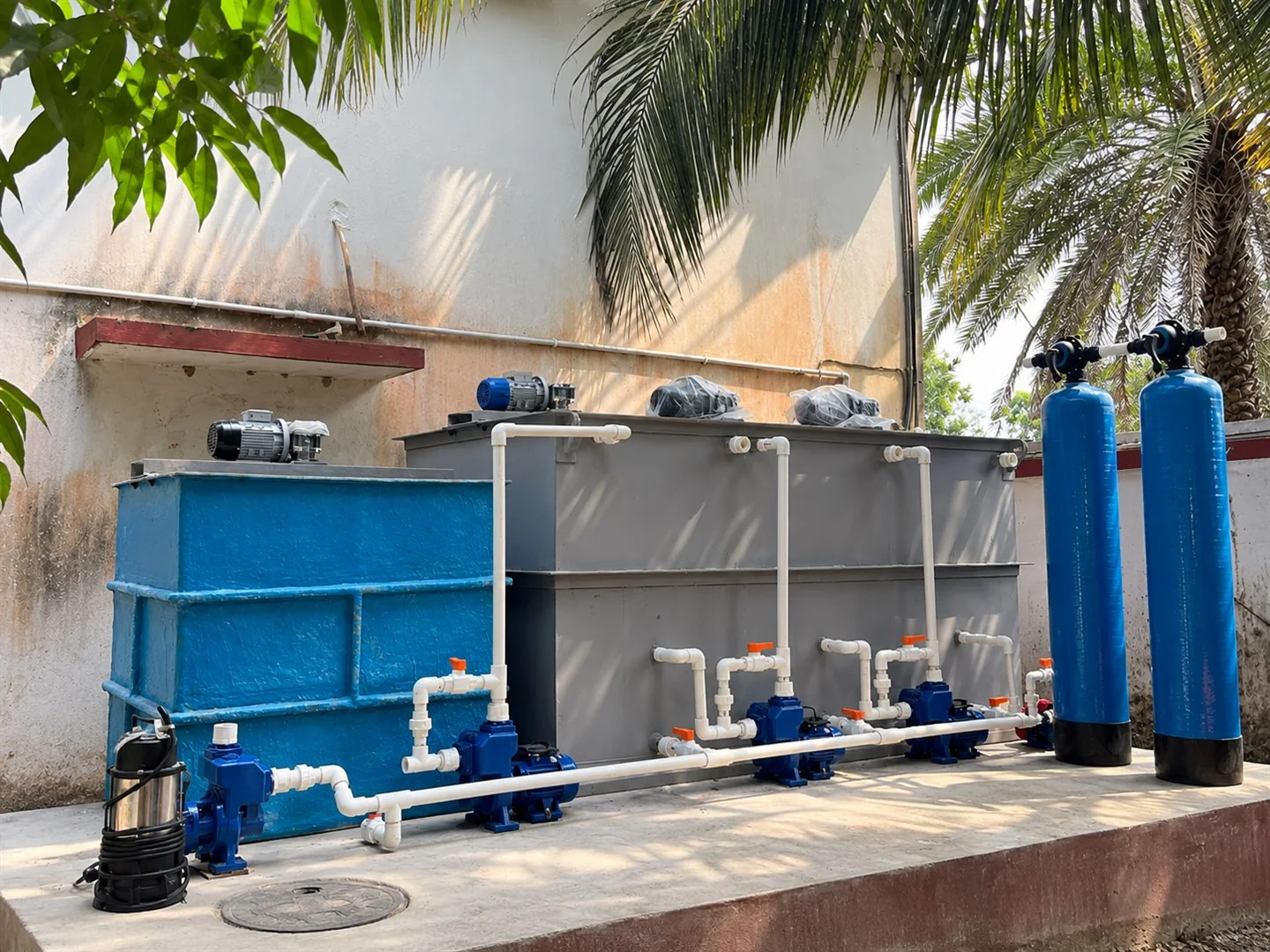
Depending on project requirements, ETP systems can be developed using suitable RCC, MS, FRP or other engineered construction arrangements.
Technochem considers:
- Available installation space.
- Required treatment capacity.
- Site conditions.
- Chemical compatibility.
- Corrosion protection.
- Maintenance accessibility.
- Equipment installation requirements.
The objective is to develop a treatment system that is not only technically effective but also practical to install and operate.
4.5 Installation, Commissioning and Performance Evaluation
An industrial ETP is not complete when fabrication ends.
Installation, commissioning and performance evaluation are essential parts of the project.
Technochem undertakes the integration of mechanical and electrical equipment, interconnecting pipelines, chemical dosing arrangements and associated systems.
During commissioning, the plant is checked under operating conditions, and treatment performance is evaluated through appropriate sampling and testing.
The treatment process may require operational adjustments to chemical dosage, pH, flow distribution or biological operating conditions to achieve the intended performance.
5. Why a Standardised ETP Design Often Fails
A common mistake in industrial wastewater treatment is assuming that plants with identical capacities can use identical treatment configurations.
Consider two factories, each generating 10 KLD of wastewater.
Factory A generates wastewater containing dissolved zinc, acidic residues and metal particles.
Factory B generates wastewater containing milk residues, fats, proteins and biodegradable organic matter.
Providing both factories with the same treatment process would be fundamentally incorrect.
The first requires a treatment system focused on metal removal and chemical precipitation.
The second requires an appropriate organic load reduction strategy, potentially involving biological treatment.
Similarly, two textile dyeing factories may require different treatment configurations depending on:
- Dye formulations.
- Colour intensity.
- Salt concentration.
- COD and BOD.
- Production processes.
- Chemical consumption.
- Required treated water quality.
An ETP must therefore be designed around both hydraulic capacity and wastewater composition.
At Technochem, treatment capacity is only one part of the design equation. Wastewater characteristics determine the treatment technology.
6. What Makes Technochem Different in Industrial Effluent Treatment?
Technochem's approach is based on a simple engineering principle: identify the treatment challenge before selecting the solution.
Rather than applying the same treatment philosophy to every industry, Technochem evaluates each wastewater stream and develops an appropriate treatment configuration.
Our approach focuses on the following areas.
1. Industry-Specific Understanding
We consider the manufacturing process, chemicals used and sources of wastewater generation to understand the actual nature of the effluent.
2. Wastewater Characterisation
We use relevant wastewater analysis to establish the pollution load and identify the contaminants that require treatment.
3. Problem-Oriented Engineering
We identify the specific hurdles affecting treatment, whether they involve heavy metals, persistent colour, high COD, oil and grease, suspended solids, high TDS or biological inhibition.
4. Customised Treatment Processes
We develop treatment configurations according to actual wastewater characteristics instead of relying on standardised plant arrangements.
5. Integrated Engineering and Manufacturing
Our capabilities cover process design, equipment selection, plant fabrication, installation and commissioning.
6. Practical and Operationally Conscious Design
We consider chemical consumption, sludge generation, equipment maintenance, operating requirements and available installation space while developing the solution.
7. Treatment and Reuse Considerations
Where required, the treatment system can incorporate additional filtration, membrane processes and polishing technologies to support industrial water reuse objectives.
This integrated approach allows Technochem to address a wide range of industrial wastewater treatment requirements.
7. Industrial Wastewater Treatment Plant Solutions Offered by Technochem
Technochem develops industrial wastewater treatment solutions for different manufacturing sectors and wastewater characteristics.
Our treatment capabilities include:
| Industry / Application | Major Wastewater Challenges | Potential Treatment Technologies |
|---|---|---|
| Galvanizing Industry | Zinc, iron, chromium, acids and heavy metals | Chemical reduction, precipitation, coagulation, clarification and filtration |
| Electroplating Industry | Nickel, copper, chromium, zinc and other metals | Chemical treatment, metal precipitation and sludge separation |
| Textile Dyeing Industry | Colour, dyes, salts, high COD and variable pH | Coagulation, flocculation, oxidation and biological treatment where suitable |
| Ink Manufacturing | Pigments, resins, colour and high COD | Chemical coagulation, oxidation, clarification and filtration |
| Dairy Industry | High BOD, COD, fats, proteins and suspended solids | Screening, oil separation, equalisation and biological treatment |
| Pharmaceutical Industry | Complex organics, solvents and potentially inhibitory compounds | Physicochemical pretreatment, oxidation and suitable biological treatment |
| Chemical Manufacturing | Acids, alkalis, organic compounds and toxic contaminants | Neutralisation, chemical treatment, oxidation and specialised processes |
| Automobile Industry | Oil, grease, metal particles and phosphates | Oil separation, chemical treatment and filtration |
| Food Processing | Organic matter, suspended solids and fats | Screening, equalisation and biological treatment |
| Engineering Industry | Metal contamination, oils and chemical residues | Chemical treatment, precipitation and clarification |
The actual process configuration is determined by wastewater analysis, treatability and the applicable treatment requirements.
8. Designing an ETP for Treated Water Quality and Environmental Compliance
An industrial wastewater treatment plant must be designed with the final treated water requirements in mind.
The required quality depends on the intended discharge or reuse destination and the applicable environmental permissions and standards.
These may include:
- Discharge into inland surface water.
- Discharge into a public sewer.
- Disposal through an authorised arrangement.
- Land application where permitted.
- Industrial water reuse.
- Further treatment for Zero Liquid Discharge (ZLD) applications.
In India, industrial effluent discharge requirements are governed by applicable environmental regulations, including relevant provisions of the Environment (Protection) Act, 1986, notified standards and the requirements of the concerned State Pollution Control Board.
The applicable requirements must be assessed for the particular industry, discharge route and regulatory permissions.
Technochem considers these requirements while developing the treatment process.
Where industrial water reuse is required, additional treatment technologies such as Ultrafiltration (UF), Reverse Osmosis (RO) and other polishing systems may be incorporated.
For industries requiring Zero Liquid Discharge, the treatment philosophy may also involve membrane concentration, evaporation and appropriate management of the resulting concentrates and solids.
The objective is to develop a treatment system that addresses both wastewater characteristics and the intended treated water quality.
Regulatory references: CPCB general effluent discharge standards and the Government of India’s explanation of industry-specific standards. Assess the applicable requirements for the particular site and discharge route.
9. Frequently Asked Questions About Industrial Effluent Treatment Plants
Q1. What is an Effluent Treatment Plant (ETP)?
An Effluent Treatment Plant is an engineered system designed to remove physical, chemical and biological contaminants from industrial wastewater before its permitted discharge or reuse.
Depending on the wastewater characteristics, an ETP may use physical separation, chemical treatment, biological treatment, filtration, oxidation and membrane technologies.
Q2. Why does every industry require a different ETP design?
Different industries generate wastewater with different contaminants and pollution loads.
Galvanizing wastewater may contain heavy metals, dairy wastewater contains biodegradable organic matter, and textile wastewater may contain persistent dyes and high concentrations of dissolved salts.
Therefore, the treatment process must be selected according to the actual wastewater composition.
Q3. How does Technochem identify the correct treatment process?
Technochem begins by understanding the manufacturing process and wastewater generation points.
This is followed by wastewater sampling, laboratory analysis, identification of treatment challenges and, where necessary, treatability studies.
The findings are used to develop an appropriate treatment process and equipment configuration.
Q4. What is wastewater characterisation?
Wastewater characterisation is the process of identifying and measuring the physical, chemical and biological properties of wastewater.
Common parameters include pH, BOD, COD, TSS, TDS, oil and grease, heavy metals, colour and other industry-specific contaminants.
It helps engineers select appropriate treatment technologies.
Q5. Can heavy metals be removed through a conventional ETP?
Heavy metals can be removed through suitable chemical treatment processes, commonly involving precipitation, coagulation, flocculation and clarification.
However, the treatment requirements depend on the type of metal, its concentration, oxidation state and the presence of complexing agents.
Certain contaminants, such as hexavalent chromium and cyanide, may require dedicated pretreatment.
Q6. Is biological treatment necessary for every industrial ETP?
No.
Biological treatment is suitable for wastewater containing biodegradable organic pollutants.
However, wastewater primarily containing heavy metals, certain inorganic contaminants or other non-biodegradable pollutants may require physicochemical treatment instead.
The need for biological treatment must be established through wastewater characterisation and treatability assessment.
Q7. How is colour removed from textile dyeing wastewater?
Colour removal may involve coagulation, flocculation, sedimentation, adsorption and advanced oxidation.
The appropriate method depends on the dye type, colour concentration, COD, pH and other wastewater characteristics.
Some wastewater streams may require a combination of technologies.
Q8. What is the difference between BOD and COD?
BOD measures the oxygen consumed by microorganisms while biologically degrading biodegradable organic matter under specified test conditions.
COD measures the oxygen equivalent of substances that can be chemically oxidised under the test conditions.
The relationship between BOD and COD helps engineers understand the biodegradability of wastewater, although it is not sufficient on its own to establish biological treatability.
Q9. Can treated industrial wastewater be reused?
Yes, depending on the treated water quality and intended application.
Additional treatment through Pressure Sand Filters, Activated Carbon Filters, Ultrafiltration and Reverse Osmosis may be required.
The reuse application determines the final water quality requirements.
Q10. How do I select the right industrial wastewater treatment plant manufacturer?
An appropriate ETP manufacturer should be able to understand the manufacturing process, interpret wastewater analysis, identify treatment challenges, develop a suitable process design and provide the necessary engineering and implementation support.
The selection should not be based on plant capacity or equipment price alone.
The treatment process must be technically appropriate for the wastewater being generated.
10. Looking Beyond Wastewater Treatment: An Engineering Approach to Every Challenge
Industrial wastewater treatment is not simply about installing tanks, pumps, filters and chemical dosing systems.
It is about understanding complex wastewater characteristics and developing a reliable process capable of addressing them.
A treatment configuration that works for dairy wastewater may be completely unsuitable for an electroplating factory. A conventional biological system may reduce organic pollution but struggle with persistent synthetic dyes. A filtration system may remove suspended particles but cannot independently remove dissolved salts or most dissolved heavy metals.
These distinctions define the importance of proper wastewater characterisation and process engineering.
At Technochem, we approach each industrial wastewater treatment requirement as an individual engineering challenge.
From analysing heavy metal contamination in galvanizing and electroplating industries to evaluating organic loading in dairy factories and developing specialised treatment processes for textile dyeing and ink manufacturing wastewater, our objective remains the same.
Understand the wastewater. Identify the hurdles. Engineer the solution.
Whether the requirement involves a compact 3 KLD industrial ETP or a larger wastewater treatment facility, Technochem focuses on developing a treatment system around the actual requirements of the industry.
Looking for the Right Effluent Treatment Plant for Your Industry?
If your manufacturing facility generates industrial wastewater containing heavy metals, dyes, chemicals, high BOD, high COD, oil and grease or other challenging contaminants, the first step is to understand its characteristics.
Share your wastewater analysis report, daily effluent generation and manufacturing process with Technochem.
Our team can evaluate the treatment requirements and help develop an appropriate industrial wastewater treatment solution.
Technochem – Engineering Wastewater Treatment Solutions Around Real Industrial Challenges.
Website: https://technochemofficial.com/